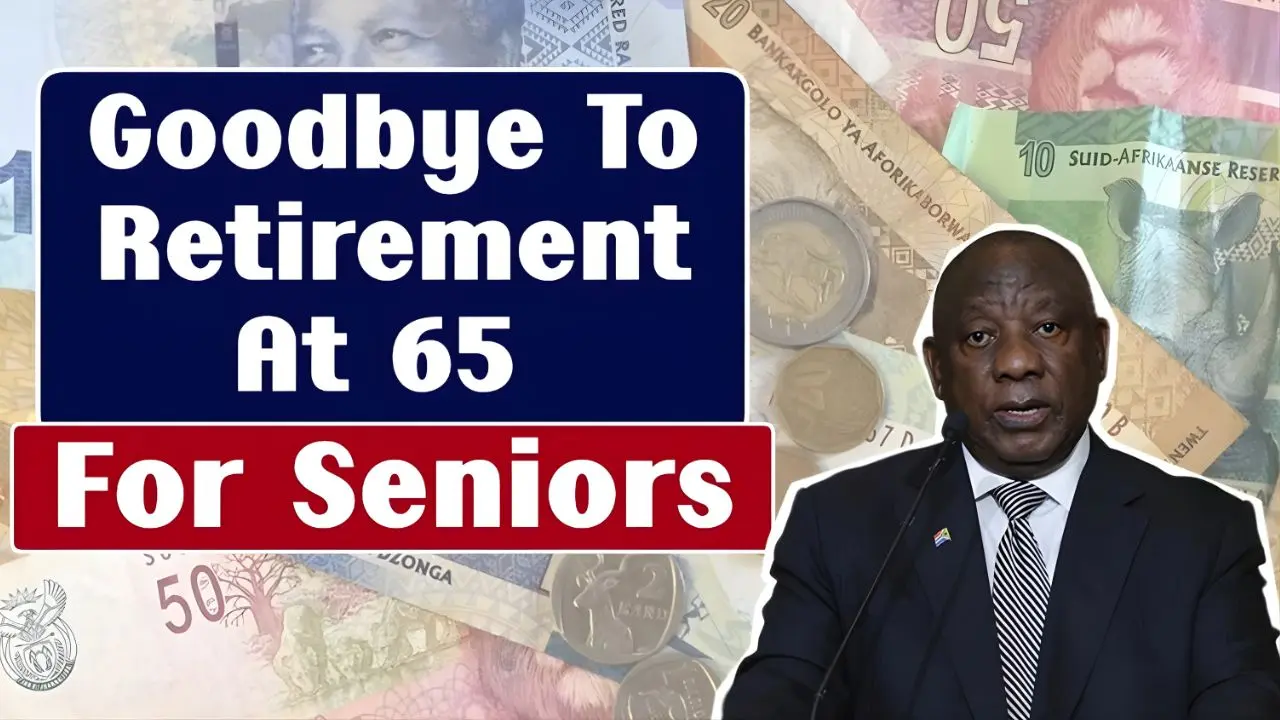
For decades, retiring at 65 has been seen as the standard milestone for South African workers. However, this long-standing expectation is rapidly changing. Economic pressures, longer life expectancy, and shifts in employment patterns are forcing many seniors to rethink what retirement really means in 2026 and beyond.
Why Retirement at 65 Is No Longer Guaranteed
Rising living costs, medical expenses, and extended lifespans have made it increasingly difficult for many seniors to stop working at 65. For some, retirement savings are simply not enough to support another 20 or even 30 years without income. As a result, more older South Africans are choosing, or being forced, to remain economically active well beyond traditional retirement age.
Changing Workplace and Pension Realities
Modern workplaces are also adapting. Flexible work arrangements, contract roles, and part-time opportunities have made it easier for seniors to continue working. At the same time, retirement reforms such as preservation-focused pension rules are encouraging workers to think long-term rather than relying on early or full withdrawals at retirement. Employers are beginning to value experience and institutional knowledge, making older workers an asset rather than a liability.
What This Means for Seniors
For many seniors, retirement is becoming a gradual transition rather than a sudden stop. Some continue working to supplement pension income, while others pursue self-employment or consulting roles. This shift allows older individuals to remain financially independent, socially engaged, and mentally active. However, it also highlights inequalities, as not all seniors are physically or professionally able to extend their working lives.
The Role of Government and Social Support
Social grants such as the Older Persons Grant remain a critical safety net, but they are often not enough on their own. Policymakers continue to debate how to support seniors who cannot work longer while balancing limited public finances. Retirement planning education is increasingly seen as essential to help future retirees avoid financial distress.
Rethinking Retirement for the Future
The idea of retiring at 65 is no longer a universal reality. Instead, South Africans are entering an era where retirement age is flexible, personal, and closely tied to financial readiness rather than a fixed number. Planning ahead has never been more important.